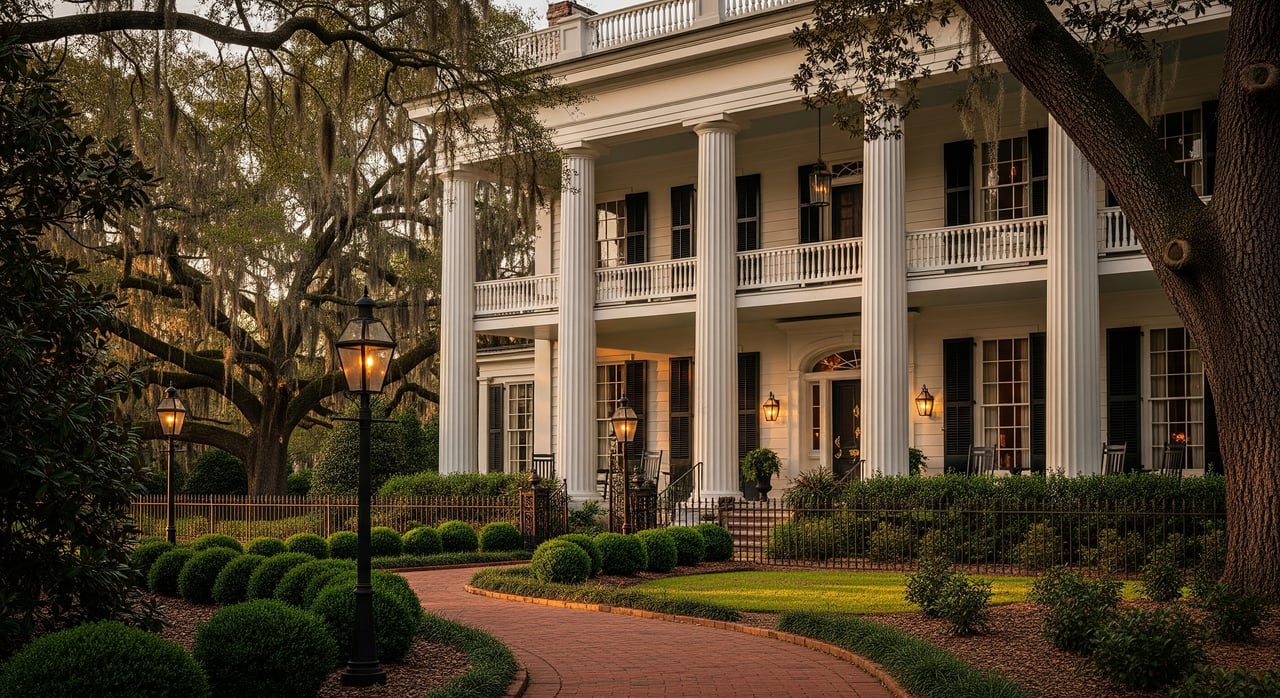
Picture yourself walking past broad porches, tall columns, and century-old trees that frame quiet streets. If Historic Madison has captured your eye, you are not alone. Buying a historic home is exciting, but it comes with unique details that are helpful to understand before you write an offer. In this guide, you will learn how to spot Madison’s signature styles, what to look for on a tour, and how preservation rules work so you can buy with confidence. Let’s dive in.
Why Madison’s historic homes stand out
Madison’s historic district is known for a remarkably intact 19th and early 20th century streetscape. You will find homes with original architectural details, deep front porches, and mature trees that define the town’s character. Interiors often feature period woodwork, fireplaces, tall ceilings, and floor plans that differ from modern layouts.
With that character comes responsibility. Historic designation usually brings higher expectations for the exterior appearance and may include extra steps for visible work, such as permits or design review. The tradeoff is clear. You get timeless charm and a connection to place, but you should plan for careful maintenance and thoughtful upgrades.
Spot the styles on your tour
Madison’s historic homes reflect three major styles you will see again and again: Greek Revival, Victorian, and Craftsman. Use the quick cues below to sharpen your eye.
Greek Revival
Greek Revival homes are a hallmark of the antebellum South, common from the early to mid 19th century.
- Exterior hallmarks:
- Symmetrical front, often two stories.
- A gabled or pedimented front portico with full-height columns. You may see Doric or Ionic forms, or simplified versions.
- Bold trim with a wide entablature and heavy cornice.
- A central front door framed by sidelights and a transom.
- Painted wood siding or stucco, with brick seen in some examples.
- Interior hallmarks:
- A center hall plan and classically balanced rooms.
- Tall ceilings and large, well proportioned spaces.
- Simple but substantial moldings, tall baseboards, and heavy mantels.
- Buyer insights:
- Grand porches and tall windows are beautiful but need consistent care. Check porch foundations, columns, and wood sashes for rot.
- Original materials such as heart pine floors and plaster walls are common. Respecting historic fabric often protects value.
- Useful tour vocabulary: portico, entablature, pediment, transom, sidelights, and symmetry.
Victorian
Victorian-era homes in Madison range from Queen Anne to Italianate and other late 19th century types.
- Exterior hallmarks:
- Asymmetrical facades with bay windows and sometimes towers or turrets.
- Varied rooflines with decorative gables and patterned shingles.
- Wraparound porches with ornate spindlework, brackets, and detailed balustrades.
- Tall, narrow windows and a vertical emphasis, especially on Italianate examples.
- Interior hallmarks:
- Irregular room shapes and decorative plasterwork.
- Stained or leaded glass, ornate staircases, and distinctive mantels.
- Built-ins, pocket doors, and expressive newel posts.
- Buyer insights:
- Decorative millwork adds value but is delicate. Expect higher costs to repair and paint intricate trim.
- Complex rooflines create more valleys and flashing points, so be alert to leak risks and gutter performance.
- Useful tour vocabulary: turret, spindlework, bracket, bay window, fish-scale shingles, and stained glass.
Craftsman and Bungalow
Craftsman and bungalow homes date from the early 1900s through the 1930s and often sit on smaller in-town lots.
- Exterior hallmarks:
- Low-pitched gabled roofs with wide eaves and exposed rafter tails.
- Tapered square porch columns, sometimes on stone piers.
- An emphasis on natural materials and hand-crafted details.
- One to one-and-a-half stories for bungalows, with some modest two-story variants.
- Interior hallmarks:
- More open plans than earlier houses, often with built-in bookcases or seating.
- Abundant wood trim and bungalow-style mantels.
- Original hardware and light fixtures may remain.
- Buyer insights:
- Original built-ins and wood windows add charm but may be less energy efficient without upgrades.
- Inspect roofing, porch supports, and crawlspaces for altered or settling elements.
- Useful tour vocabulary: exposed rafter tails, tapered columns, built-ins, bungalow, and craftsman trim.
Lots, trees, and site features to watch
Many historic Madison homes face main streets or the central square, with porches oriented to pedestrians. Setbacks can be shallower than in newer neighborhoods, and lot sizes vary from generous gardens to narrower urban parcels.
Expect mature oaks or magnolias that shape the look and feel of the block. Trees add shade and beauty, yet roots can affect utilities and foundations, and large limbs can pose risks. Historic sidewalks and curbs are common. In back, you may find carriage houses, sheds, or early garages. Some have been converted to storage or other uses.
Parking and additions can be constrained by lot size and preservation review. Older plats sometimes include alley access or narrow driveways that require careful navigation. Drainage and grading deserve attention in any older district, so check for well placed gutters, downspouts, and ground slopes away from the foundation.
What to check inside and out
Historic homes age gracefully when systems are updated and water is controlled. Use these cues to guide your first impressions.
Structure and foundation
Foundations in Madison’s older homes range from brick piers to continuous masonry and early poured concrete. Look for signs of settlement, cracking, or moisture. Uneven floors and doors that do not latch can signal foundation movement or framing issues. If you have concerns, plan for a structural engineer evaluation during due diligence.
Roofs and porches
Historic roofs may use metal, wood shingles, or composition materials. Complex rooflines create more flashing points that require regular maintenance. Porches are signature features, so check sill plates, posts, decking, and footings for rot or settlement. Early repairs can prevent more extensive work later.
Exterior finishes and masonry
Wood siding and decorative shingles are common. Peel back the story under old paint by looking for soft wood or insect damage. If you see masonry, note that historic brick often used lime-based mortar. Repointing with modern Portland cement can damage old brick. The safest approach is to match original mortar types and profiles.
Windows and insulation
Original wood sash with single-pane glass is typical. These windows are character-defining and can perform well with simple upgrades such as weatherstripping and storm windows. Many historic homes lack modern insulation in walls or attics. Air sealing and improving attic insulation can boost comfort and efficiency without altering historic materials.
Mechanical systems and safety
Older electrical systems may include knob-and-tube or cloth-insulated wiring. Plan for updates to support modern loads and safety. Plumbing may mix original galvanized lines with newer copper or modern materials. HVAC systems are often later additions, and ductwork may be less than ideal in tight spaces.
Lead paint is possible in pre-1978 homes, and some properties may include asbestos-containing materials such as old floor tiles or pipe insulation. Testing and remediation should follow regulated processes.
Termite and moisture risks
Madison’s climate raises termite risk. Look for mud tubes, soft wood, and prior treatment records. Good grading, gutters, and downspout extensions help keep water away from the foundation. Moisture control protects framing, floors, and finishes.
Preservation rules and approvals
Historic designation includes several layers. A National Register listing is primarily honorary, though it can support certain tax incentives for income-producing buildings. Local historic district rules, if applicable, usually guide what you can change on a home’s exterior when visible from the street. Common items that may require review include roofs, siding, windows, porches, additions, and demolition.
If you plan exterior changes, contact the City of Madison planning or historic preservation staff early. You may need a Certificate of Appropriateness or similar permit. Matching original materials and profiles is often preferred when repairing visible features.
Financial incentives vary. The federal historic rehabilitation tax credit, typically 20 percent, is for certified rehabilitations of income-producing properties such as rentals or commercial buildings. Owner-occupied single-family homes usually do not qualify. State and local programs change over time, so check with the Georgia State Historic Preservation Office and the city for current options.
Your historic home tour checklist
Use this quick list to organize your first visits and due diligence.
Before the tour
- Ask for the year built, a list of major renovations, permits, and any structural or drainage work.
- Request roof age, termite reports, and any previous inspection summaries.
- Bring a flashlight for basements or crawlspaces and wear shoes suitable for walking the lot.
During the tour
- Roof: look for sagging, patched valleys, or signs of active leaks.
- Foundation: note cracks, bulging, uneven floors, or doors that stick.
- Porches: test for soft boards or settling at piers.
- Windows and doors: check operation and look for rot or past replacements.
- Chimneys: scan for leaning, missing caps, or mortar loss.
- Interiors: observe plaster cracks, stair stability, and the condition of original floors.
- Basement or crawlspace: look for standing water, insulation quality, and any pest signs.
- Mechanicals: find the electrical panel, water heater, and HVAC units to note apparent age and condition.
After the tour
- Schedule a licensed home inspector experienced with historic properties.
- Engage a structural engineer if settlement is suspected.
- Get estimates from contractors who specialize in historic repair for the roof, porch, foundation, or windows as needed.
- Consider a preservation architect or consultant if you plan an addition or major exterior changes.
- Order lead paint testing for pre-1978 homes, and consult on asbestos if suspect materials are present.
- Request a termite inspection and confirm active protection.
Budgeting and planning for updates
Every historic home is one of a kind. Two similar houses on the same street can have very different maintenance histories. Build a budget that covers both visible and hidden needs, and remember that small, early fixes help prevent larger projects later.
A smart plan often includes phased work. Start with water management and safety upgrades, such as roof repairs, gutter improvements, and electrical updates. Then consider comfort and efficiency, like air sealing, attic insulation, and window repairs with storms. Save aesthetic refreshes for last so fresh finishes are not damaged by earlier work.
Preserving visible historic features generally supports long-term value and neighborhood character. When in doubt, ask the city’s preservation staff what requires review, and lean on specialists who know period materials and methods.
How Madison Reed helps you buy with confidence
If you are buying from out of town or you want a high-touch experience, you deserve a team that knows both the process and the place. Madison Reed offers a boutique, concierge approach with deep local knowledge of Historic Madison and surrounding Lake Oconee communities. You get responsive guidance, coordinated showings, and a vetted network of inspectors, engineers, and preservation-savvy contractors.
Prefer to start remotely or narrow choices from home. We provide virtual showings and streamlined digital steps that make complex transactions feel simple. When you are ready to choose, we help you confirm style, scope out maintenance, and coordinate early conversations with city preservation staff so your plans stay on track.
Ready to find a historic home you will love. Reach out to Madison Reed for tailored guidance, on-the-ground insight, and a concierge process from first look to closing.
FAQs
Can I change the exterior on a historic Madison home?
- Many local historic districts require review for visible exterior changes such as windows, siding, porches, and additions. Contact city preservation staff early to confirm what needs approval and how to apply.
Do federal or state tax credits apply to single-family homes?
- The federal historic rehabilitation tax credit generally applies to income-producing properties that complete a certified rehabilitation. Owner-occupied single-family homes usually do not qualify. Check current state or local programs with Georgia SHPO and the city.
How much maintenance should I expect with a historic house?
- It varies by condition and prior upgrades. Plan for ongoing care of porches, wood trim, windows, and roofs. Deferred maintenance can be costly, so get professional inspections and repair estimates early.
Do I have to replace old windows for energy efficiency?
- Not necessarily. Repairing original wood sash, adding weatherstripping, and using interior or exterior storm windows can improve performance while preserving historic character. Attic air sealing and insulation also help.
What surprises catch buyers off guard in older homes?
- Hidden structural movement, outdated electrical wiring, termite damage, and drainage issues are common finds. A thorough inspection, documentation review, and specialist consultations reduce risk.